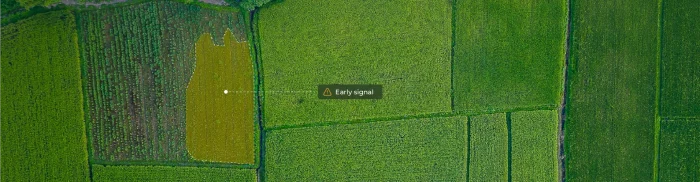
What makes regenerative practices verifiable
Regenerative agriculture has moved quickly from niche concept to mainstream commitment. Companies now report on cover cropping, crop rotation, reduced...

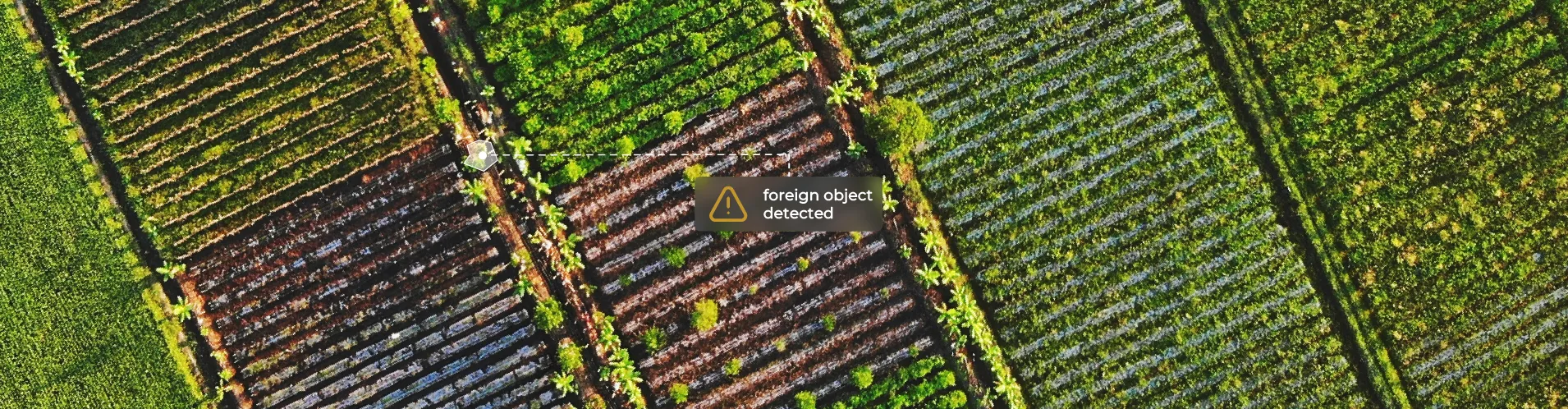
Leafy greens sit at the frontline of food safety. Because they are harvested at ground level, anything resting on or just beneath the soil surface is at risk of entering the production stream. In most fields, the volumes are small, usually only a few objects per hectare, but the downstream consequences are significant. A single fragment of plastic or aluminium that reaches a consumer product can trigger health concerns, product recalls, and contractual fallout across the supply chain.
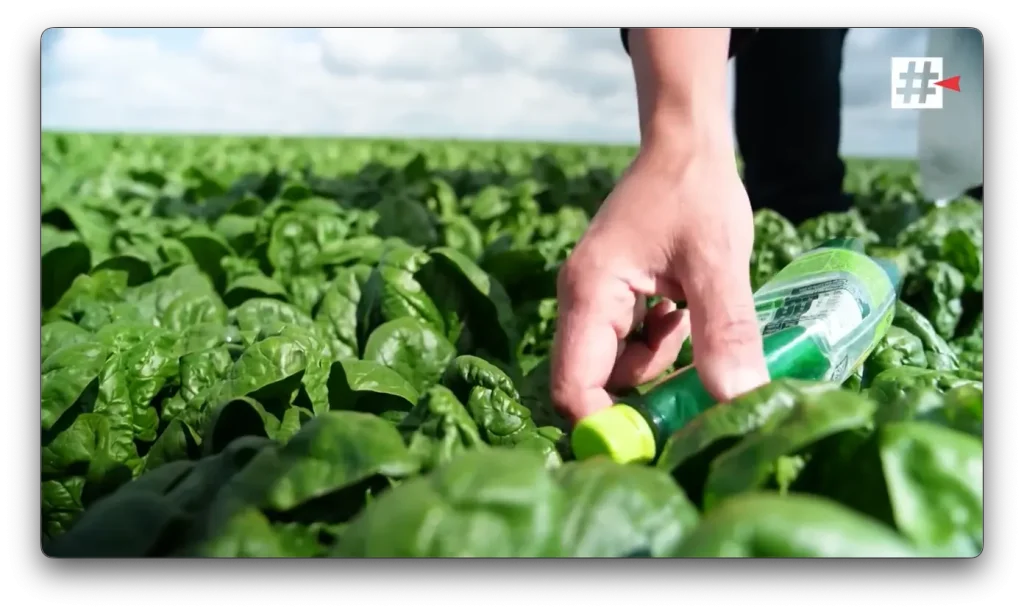
Physical contaminants consistently rank among the top drivers of food recalls. A recent review of global data found that foreign materials, such as metal, glass, and plastic, account for roughly 1 in 10 food safety incidents. When recalls occur, the impact is substantial. The costs to a food company can run into millions of dollars, excluding long-term losses from brand damage, destroyed batches, or reductions in future contract volume.
For farms supplying processors of ready-to-eat vegetables, the stakes are particularly high. On the one hand, they are exposed to contaminants, and on the other, they must supply vegetables that meet strict quality standards. Green plastics can hide under the crop canopy, broken bottles can settle into the soil, and lightweight packaging can blow in from nearby roads. Once these contaminants enter a processing line, they are often difficult to detect with standard industrial scanners, especially when their color or shape resembles that of the crop. What begins as a low-frequency field problem can become a high-impact supply chain risk if not identified early.
Helodrone is run by Xavier Hérion, a former Belgian Air Component pilot who moved from aviation into precision agriculture in 2018. Based in the province of Liège, his company provides drone acquisition and analysis for farming, infrastructure inspection, and industrial sites. One of his core services focuses on identifying foreign objects hidden in vegetable fields before harvest, a problem he first encountered when speaking directly with growers in his region.
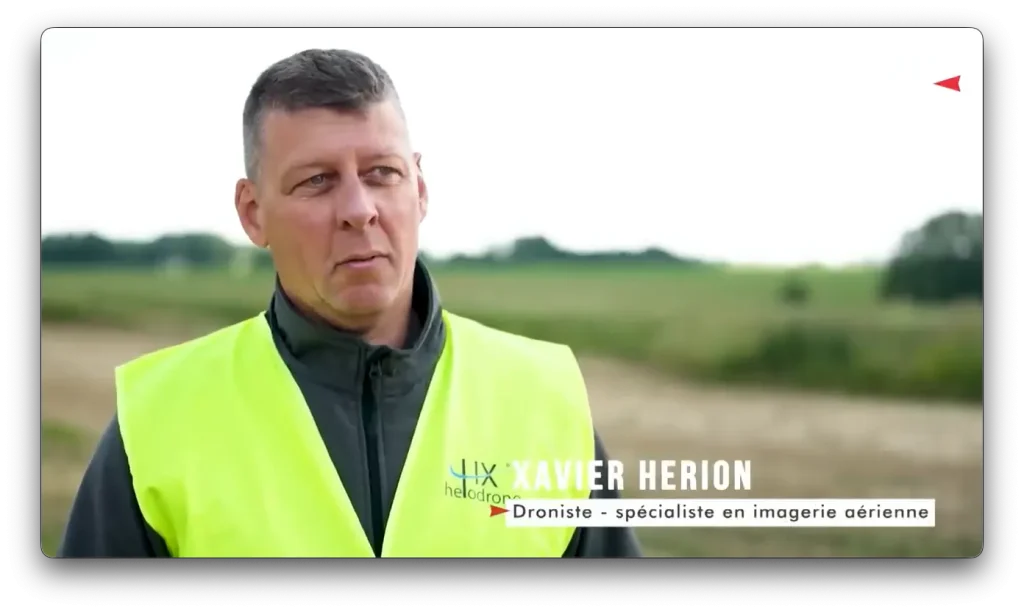
Xavier began by flying small trial missions over vegetable plots. He quickly saw a clear need for a repeatable and scalable way to flag contaminants that are almost impossible to spot from the ground. Today, he surveys fields across southern Belgium and western Germany, working closely with farmers who supply leafy greens to major processors. Many of these crops are destined for highly sensitive uses, including baby food, where even physical contaminants pose an immediate risk.

“The farmers knew the problems were there, but they did not know when they would happen. Once the fields were scanned, they finally had something they could control.”
Helodrone’s work sits at the intersection of practical field operations and advanced geospatial analysis. The service gives farmers visibility into an issue that is small in volume but high in consequences, creating a simple process they can rely on season after season.
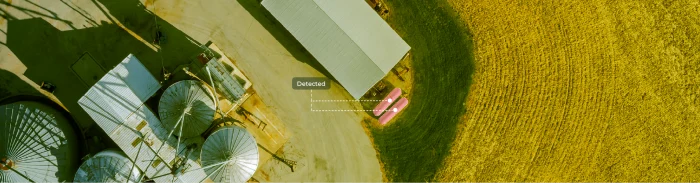
Once the drone imagery is collected, the next step is to transform thousands of photographs into something farmers can use in the field. This is where GeoAI becomes essential. Helodrone uses Picterra to run a general trash detection model that flags any item that does not belong in the crop, regardless of its shape or material. The goal is not to classify objects but to ensure that anything foreign is identified before it reaches the harvest.

Xavier has refined his model over several seasons and across different soil types. Fields in Belgium tend to have darker brown soils, while some regions in the Netherlands and Germany have lighter, more grey soils. He adapts his model to these variations to maintain consistent detection performance. The model is updated once or twice a year and now provides more than ninety percent detection accuracy under real field conditions.
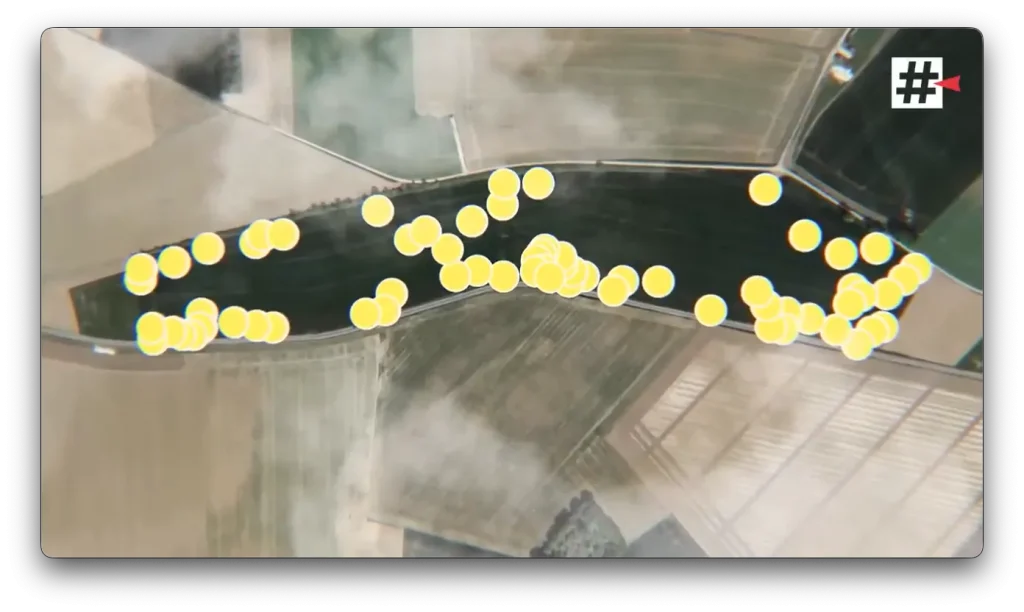
Certain contaminants are naturally harder to detect. Green plastics can blend into leafy crops, and old bottles can take on the colour of the soil after months in the field. Even with these challenges, farmers value a system that reliably identifies the vast majority of contaminants before they become a supply chain issue. As Xavier puts it, “The model does not need to be perfect. What matters is that we remove almost all of the risk before the crop enters the industry.” Then, detectors installed on the production line remove any remaining contaminants.
The output is delivered as a simple map on a tablet. Field workers use GPS to walk directly to each point, remove the item, and move on. The process is fast and predictable, and most fields take only a few minutes per hectare to clear. What begins as complex aerial data becomes a practical tool for preventing high-impact incidents.
For growers supplying leafy greens into high-volume processing lines, the most valuable outcome is the one they do not see. Since adopting drone-based detection, farmers working with Helodrone report that contamination incidents have effectively disappeared. The service has been in place for more than five seasons, and during that time, processors have not flagged the types of problems that previously led to destroyed batches or consumer complaints.
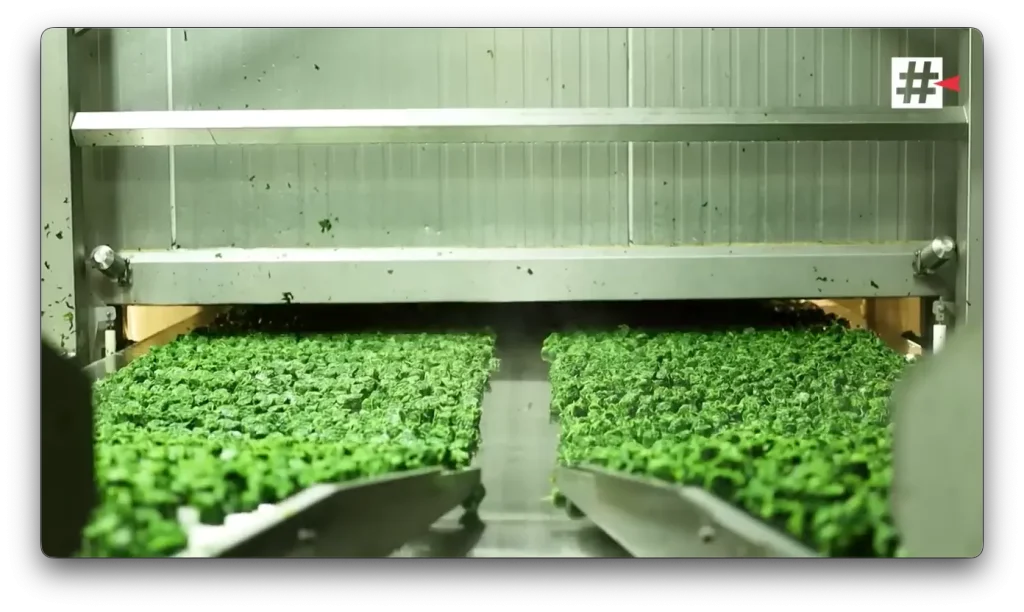
The financial incentive is clear once an incident occurs. Health-related claims linked to a foreign object can exceed hundreds of thousands of euros, and this is only part of the total cost. When a batch is compromised, entire lots may need to be recalled or destroyed. This can represent hundreds of tonnes of produce that never reach the market. In addition to the direct financial loss, processors face contract penalties, loss of confidence from retailers, and potential long-term damage to brand reputation.
Against this backdrop, the cost of scanning a field is relatively small. The detection process typically identifies only a few items per hectare, and removal takes minutes. Farmers describe it as a simple form of insurance that addresses a risk that is hard to predict and even harder to manage without objective data. Xavier often hears the same sentiment from growers. “We used to worry about the few cases that could cause serious damage. Now the worry is gone.”
For processors, the benefit is equally important. They receive cleaner inputs, fewer quality alerts, and greater predictability during peak harvest periods. When the upstream risk is controlled, the entire workflow becomes more stable.
What begins as a small field-level intervention supports a much broader operational goal. When contaminants are removed before harvest, processors gain greater confidence in the raw material entering their facilities. Retailers face fewer disruptions and fewer quality issues. Consumers receive safer products. The entire supply chain benefits from greater transparency and fewer unexpected surprises.
Drone-based GeoAI creates a simple feedback loop. Farmers gain early visibility, take fast corrective action, and deliver a cleaner crop. Processors receive inputs that meet their own quality and compliance expectations. This matters even more for products used in sensitive categories such as baby food, where risk tolerance is extremely low and the consequences of failure are significant.
By combining structured aerial data with a practical detection workflow, Helodrone gives growers a reliable way to reduce uncertainty in a part of the supply chain that is often overlooked. The work does not change the crop, the harvest schedule, or the processor’s operations. It simply removes a hidden source of fragility. In a sector where margins are tight and incidents can be costly, reducing fragility becomes a meaningful source of value.
Regenerative agriculture has moved quickly from niche concept to mainstream commitment. Companies now report on cover cropping, crop rotation, reduced...
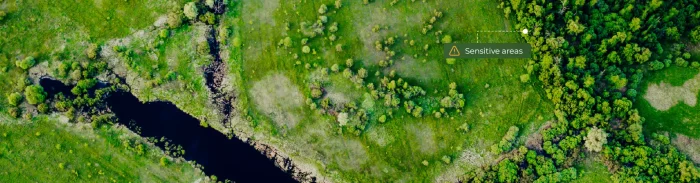
For many organizations, biodiversity has long sat alongside climate as an important but difficult topic. Companies have made commitments, published...
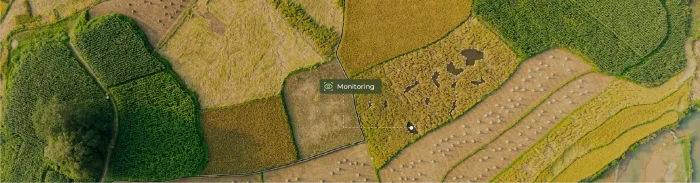
Compliance expectations across agricultural and forest risk supply chains have shifted quickly. Regulations and voluntary frameworks now require specific, defensible...
Across agriculture, energy, and industrial operations, tanks are critical assets because they sit at the intersection of regulation, environmental impact,...